How to start and scale an eBay business in London


Grow London Local


Posted: Fri 12th Jun 2026
Though eBay has been around a long time, many people still think of it as a place to sell unwanted items.
That side of the platform remains very much alive. But for small businesses, eBay can also be a serious route to market.
For London-based entrepreneurs, the appeal is easy to understand. You can start without taking on a shop lease, test products quickly and reach customers far beyond your local area.
You can sell new stock, refurbished items, vintage pieces or niche products that would be hard to shift through a traditional store.
Here's how to get started sensibly and build from there.
Why eBay works well for London SMEs
One of eBay's strengths is reach.
A new London business can list a product and put it in front of buyers across the UK, with options to sell internationally once the operation is ready.
That's a much larger audience than you'd get from a local stall, pop-up or small shop.
It's also accessible. You don't need to commit to commercial premises, hire staff or buy loads of stock before making your first sale.
You can begin with a focused product range, learn what sells and reinvest carefully.
London adds a few useful advantages. The city has access to wholesale suppliers, fashion resale stock, vintage markets, makers, importers and a large local customer base.
If you're selling refurbished electronics, vintage clothing, homeware or collectibles, there may be more sourcing options nearby than in many other parts of the UK.
Space, though, is the obvious trade-off. London rents are high and most founders don't have spare rooms, garages or cheap storage.
A product that looks profitable on paper may become less appealing if it needs bulky storage or careful handling. Before you buy stock, ask a dull but useful question – where will it actually live?
Choosing the right eBay business model
There are several ways to build an eBay business. The right one depends on your time, budget, storage space and appetite for risk.
Reselling: Buying products and selling them on for a profit. This might include vintage clothing, used books, collectibles, furniture or clearance stock. It can be a good fit if you know where to source well, but it takes time to inspect, photograph and list each item.
Retail arbitrage: Buying discounted products from retailers and reselling them at a higher price. Margins are often tight and competition moves quickly. You also need to be careful with restricted products, warranties and proof of purchase.
Private label: Selling products under your own brand, usually sourced from a manufacturer. You have more control over branding and repeat sales, but it usually needs more upfront investment. You must also think about packaging, product safety, trademarks and managing stock.
Dropshipping: Listing products that a supplier ships directly. It relieves the pressure to store stock, but gives you less control over delivery speed and a product's quality. You're still responsible for the buyer's experience, even when someone else sends the item.
Refurbished goods: This can be a strong route if you have technical skills or access to reliable repair partners. Buyers are often seeking value, but they also want reassurance. Clear grading, testing notes, warranties and honest descriptions matter.
How to choose
A common mistake is choosing a model because it sounds scalable, not because it suits your actual life.
If you have limited evenings and no storage, a stock-heavy resale business may quickly become stressful. If you have cash but little product knowledge, private label can turn into expensive guesswork.
Start with what you can manage consistently.

Researching products that will actually sell
eBay gives you useful clues if you know where to look.
Search for the product you're considering, then look at sold listings. This shows what buyers have actually paid, not just what sellers hope to charge.
Pay attention to:
Sold price, including postage.
An item's condition.
How many similar items are available.
Listing photos and titles.
Delivery options.
Seller feedback.
Whether the item sells regularly or only occasionally.
Don't let one unusually high sale distract you – look for patterns. If 20 similar items sold in the past month at around £28, that's more useful than one listing that sold for £70.
Pricing needs discipline. Work backwards from the likely sale price, and take off:
eBay fees.
Postage and packaging.
VAT (if it applies).
Returns.
Damaged stock
The cost of your time.
If there's still enough left, the product may be worth testing.
Setting up your eBay seller account
You can sell on eBay as a private seller or a business seller.
If you're buying or making items to resell, selling regularly for profit or operating as a business, you should use a business account.
eBay has separate guidance for business sellers, including fees, seller standards and rules on how businesses handle customers.
Before you start listing
Before listing, get the basics in place.
Choose a seller name that can grow with you.
Set up a dedicated email address.
Decide where money will be paid.
Keep proper records from the start, including stock costs, postage, fees and refunds.
Also understand eBay's performance standards.
The platform assesses sellers on areas such as unresolved cases and transaction defects, and a seller's performance can affect visibility, protections and the account's standing.
Good early habits
For a new seller, the early operational habits matter more than clever tricks. You should:
Reply to messages promptly.
Set realistic dispatch times.
Upload tracking details where possible.
Avoid overpromising to win a sale. A slightly slower delivery promise you meet is better than a fast one you miss.
Legal responsibilities
UK online customers usually have cancellation rights when buying from a business, including the right to cancel within 14 days after receiving an order, with further time to return the item once they have told you.
There are exceptions, so check the rules for your type of product.
Fulfilment and operations
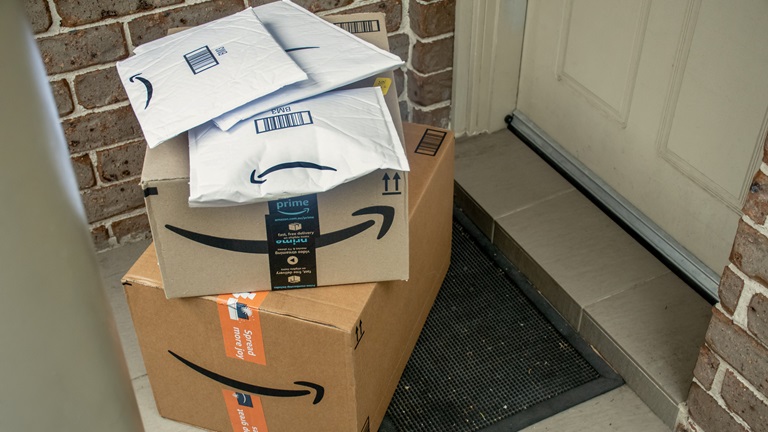
Fulfilment simply means getting the order to the customer. At the start, most eBay sellers handle this themselves. That can work well, as long as you're realistic.
In London, storage and packing space can become a problem before sales do. A hallway full of boxes gets old quickly. So does carrying parcels across town at the end of a long day.
Think about where you'll store stock and pack orders, and which courier or drop-off points you can use reliably.
Good fulfilment starts before the sale.
Measure and weigh items properly.
Choose packaging that protects the product.
Build postage into your pricing rather than treating it as an afterthought.
For fragile or high-value items, take extra care with packing and tracking.
Returns
Returns need a process too. Decide where returned items will go, how you'll inspect them and how quickly you can relist them.
eBay's return process has its own rules, including timeframes for reviewing returned items and issuing refunds once an item is received.
Returns are more than a cost – they're also feedback. If buyers keep returning items because they're smaller than expected, your listing needs better measurements.
If items arrive damaged, your packaging needs work. If people say the condition was worse than described, tighten your grading.
Creating listings that buyers trust
A good eBay listing does a lot of selling for you. It also lessens the number of questions, complaints and returns you'll face.
Start with the title. Use the words buyers are likely to search for, including brand, model, size, colour, material or key feature where relevant. Don't be vague.
Photos matter. Use clear, well-lit images and show the actual item whenever condition matters. Photograph flaws, labels, serial numbers, accessories and scale where useful.
Descriptions should be plain and specific. Include condition, measurements, compatibility, what is and isn't included, dispatch times and return information.
Item specifics are also worth completing properly because they help eBay understand what you're selling and help buyers filter results.
Using promotion without wasting money
eBay Promoted Listings can help increase visibility, especially in competitive categories. But paid promotion won't fix a weak product, poor photos or uncompetitive pricing.
Test a few listings first. Compare the extra sales against the advertising cost, and watch margins closely. If a promoted item sells well but leaves almost no profit, the numbers need rethinking.
Scaling your eBay business
Scaling doesn't necessarily mean adding hundreds of new products. You might just improve what already works.
Start by reviewing your sales. Which products sell quickly? Which ones attract questions? Which ones do buyers return? Which ones take too long to list, pack or store?
Your best products are often the ones that sell reliably, create fewer problems and leave a decent margin.
As volume grows, you may need better systems. That could be for labelling stock, scanning barcodes, accounting, listing templates or courier collections.
If you take on staff, even casually, make sure you understand your responsibilities around pay, tax and payroll.
You may also need to think about space. Some sellers can keep operating from home for a long time. Others reach a point where storage, noise, collections or returns become unmanageable.
Before taking on premises, check the costs carefully. Rent is only one part of it. Business rates, insurance, utilities, lease terms, access and security all matter.
Read more

Find the right support for your business
At Grow London Local, we understand that you’re passionate about your small London business. That’s why our website is packed with resources tailored to you. Find more support
Grow London Local
Disclaimer: The content provided on this site, whether by Grow London Local or by third parties, is by way of general guidance only. Grow London Local does not accept any liability for any loss or damage that any person incurs as a result of any content on this site. Please note that where you purchase paid services or content from third parties, your agreement is solely with those third parties.
Subscribe now
Never miss a post with the latest insights and updates.
You can view a sample here.
By subscribing you agree to our Terms of Use and Privacy Policy. You can unsubscribe at any time by using the "Unsubscribe" link at the bottom of any email we send you.